
Discovering Crown Hill’s Roots
Tucked along the south-central side of Nashua, New Hampshire, Crown Hill stands as a neighborhood with a history as rich as the red bricks and woodwork lining its streets. To longtime residents and newcomers alike, Crown Hill feels like a tapestry — one woven from immigrant dreams, architectural treasures, and the echo of generations who have called it home.
How Crown Hill Got Its Name
Crown Hill boasts one of Nashua’s most poetic neighborhood names. The origins trace back to its topography: this part of the city sits upon a gentle rise, a “crown” above the heart of downtown. Early maps and city records from the mid-1800s referred to the area as “Crown Hill,” alluding both to its prominence above the Nashua River valley and the distinctive sense of community pride that soon blossomed there.
Beginnings: A Melting Pot of Immigrants
The first major wave of development on Crown Hill arrived in the 1850s, as immigrants flocked to Nashua’s burgeoning mills. Many were French-Canadian, Irish, and later Greek and Polish families, seeking work and new opportunities. They built not only sturdy homes but also vibrant communities centered around family, faith, and tradition.
Key early streets — like Kinsley Street, Palm Street, and Whitney Street — still bear witness to the architectural diversity of this period, while St. Louis de Gonzague Church quickly became a spiritual anchor for French-Canadian Catholics. This imposing granite and brick church at 48 West Hollis Street remains a neighborhood landmark today, its spire visible across much of Nashua.
Landmarks That Tell the Story
Crown Hill is a neighborhood best explored on foot, its history revealed in details both grand and humble:
- St. Louis Church and School: A hallmark of the French-Canadian heritage that shaped the neighborhood. The church’s bells, for generations, have marked not only the hour but the rhythm of community life.
- Crown Hill Fire Station (Fire Station #2): Built in 1901 at 70 Arlington St., this beautifully maintained brick firehouse is one of Nashua’s oldest continuously operating stations, emblematic of the neighborhood’s long commitment to safety and service.
- Downtown Crown Hill: The confluence of Harbor Avenue, Kinsley Street, and Allds Street hosts a mix of family-run grocers, bakeries, and specialty stores. Many trace their roots back decades, handed down through generations.
Parks and Green Spaces
Crown Hill is more than houses and history; it’s parks and playgrounds, too. Nearby Park Social, adjacent to the former School Street playground, once echoed with the cheers of neighborhood baseball games and picnic chatter. Today, Roby Park on Spit Brook Road stands as the closest large green space, offering playgrounds, ballfields, and trails for all ages — a hub for families on sunny afternoons.
Changing Faces: The 20th Century and Beyond
Through the 20th century, Crown Hill continued to evolve. New arrivals, including Eastern European and Southeast Asian families, added fresh layers to the community’s cultural tapestry. The closing of the mills in the 1950s and 60s brought economic challenges, but also spurred new businesses and entrepreneurship. Many classic multi-family homes were lovingly restored, while others became apartments, welcoming a broad variety of new Nashuans.
Crown Hill’s local schools, including the iconic Fairgrounds Elementary and Middle Schools on Cleveland Street, became centers of learning for generations of neighborhood children. The annual St. Louis Parade, which once marched proudly down Kinsley Street, remains a fond memory for longtime residents and a symbol of neighborhood unity.
Preserving Heritage While Embracing Change
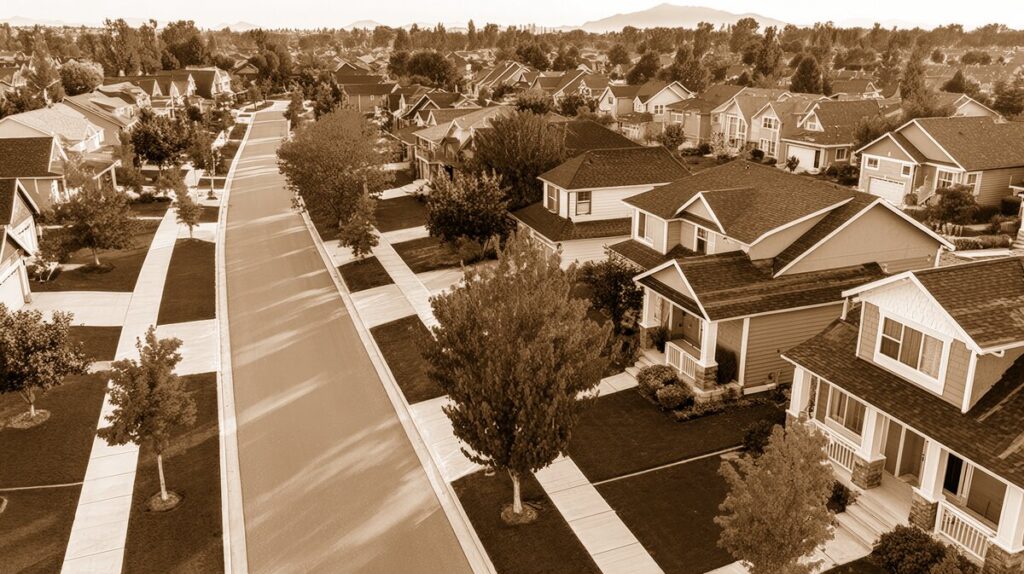
Today, Crown Hill is a welcoming neighborhood known for its blend of old and new. Residents take pride in the carefully preserved Victorians and Colonial Revival homes, the quiet, tree-lined streets like Whitney Street and Arlington Street, and the continuing influence of its multicultural heritage.
Walking the neighborhood, you might encounter:
- Up-and-coming local businesses in historic storefronts, where you’ll still find French meat pies and fresh-baked bread.
- The laughter of children at School Street playground, keeping the tradition of outdoor play alive.
- Annual block parties and festivals that celebrate Nashua’s diversity — echoes of the parades and feasts of decades past.
What Makes Crown Hill Special
Crown Hill endures because it’s a neighborhood built not just with bricks and timber, but with heart and hope. For every grand steeple or historic firehouse, there are hundreds of homes where family stories unfold — tales of hard-won dreams, community resilience, and the warm welcome extended to all.
Whether you grew up on the gentle rise of Crown Street, attended dances in the old parish hall, or only discovered this Nashua gem recently, there is always something new to love. In every season, on every street, Crown Hill’s past and present blend into an enduring sense of place — one that truly deserves its crown.